The Physiological Sigh: The 60-Second Breath That Resets Stress
If you've ever watched a toddler stop crying, you've already seen a physiological sigh: a double inhale through the nose followed by a long exhale. It happens automatically when the body needs to reset. The good news is you can do it on purpose — and within a minute, your nervous system is in a different state.
What it actually is
The physiological sigh was first described in the 1930s and rediscovered by Stanford neuroscientist Andrew Huberman and Mark Krasnow's lab in 2017. They found a small group of brainstem neurons that trigger spontaneous sighs roughly every 5 minutes — and showed that these sighs play a specific role in maintaining lung function and emotional balance.
Mechanically, it's simple:
- Long inhale through the nose.
- A second, shorter inhale through the nose on top of the first — sneaking a bit more air in.
- Long, slow exhale through the mouth, ideally twice as long as the combined inhales.
Repeat 1–3 times. That's it.
Why two inhales
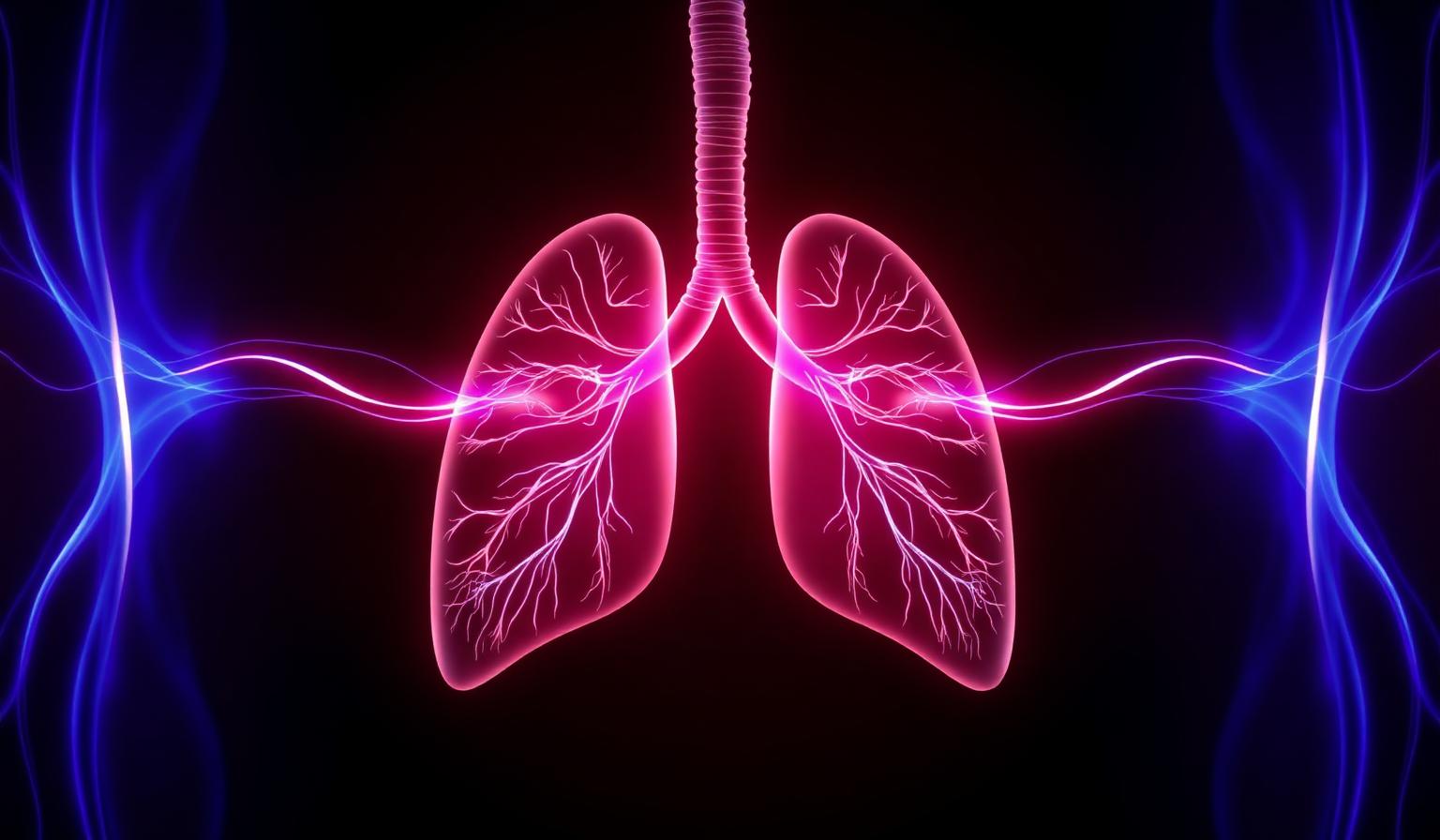
Inside your lungs are millions of tiny air sacs called alveoli. Under stress, they tend to collapse and stiffen. A single deep breath doesn't fully reopen them. The second small inhale pops the collapsed alveoli back open, which dramatically increases the surface area for offloading carbon dioxide on the next exhale.
That CO₂ offload is the key. Acute stress and anxiety often come with subtle hyperventilation — too much CO₂ in the blood, not too little. A long exhale after a maximally inflated lung dumps CO₂ efficiently, restoring blood-gas balance within seconds.
Why the exhale matters more than the inhale
Every inhale slightly speeds up your heart. Every exhale slows it down (an effect called respiratory sinus arrhythmia). When your exhale is longer than your inhale, you're shifting net autonomic tone toward parasympathetic — toward calm. The vagus nerve is doing the work in real time.
When to use it
- Right before a difficult conversation or presentation
- The moment you notice your jaw, shoulders, or chest tightening
- Between meetings, to clear residual sympathetic activation
- In bed, if your mind is racing
- Mid-argument, before you say something you'll regret
The hidden upgrade
Done once, the physiological sigh is a great panic button. Done 3–5 times a day for a few weeks, it becomes something more interesting: a re-trained reflex. Your nervous system learns that this pattern means "you're safe now," and starts dropping into calm faster every time you use it. That's neuroplasticity in 60-second doses.
The fastest way out of a stress spike is not to think. It's to exhale.
Want it guided? The free 90-second reset walks you through it — or go deeper with the 21-day Premium trial.